


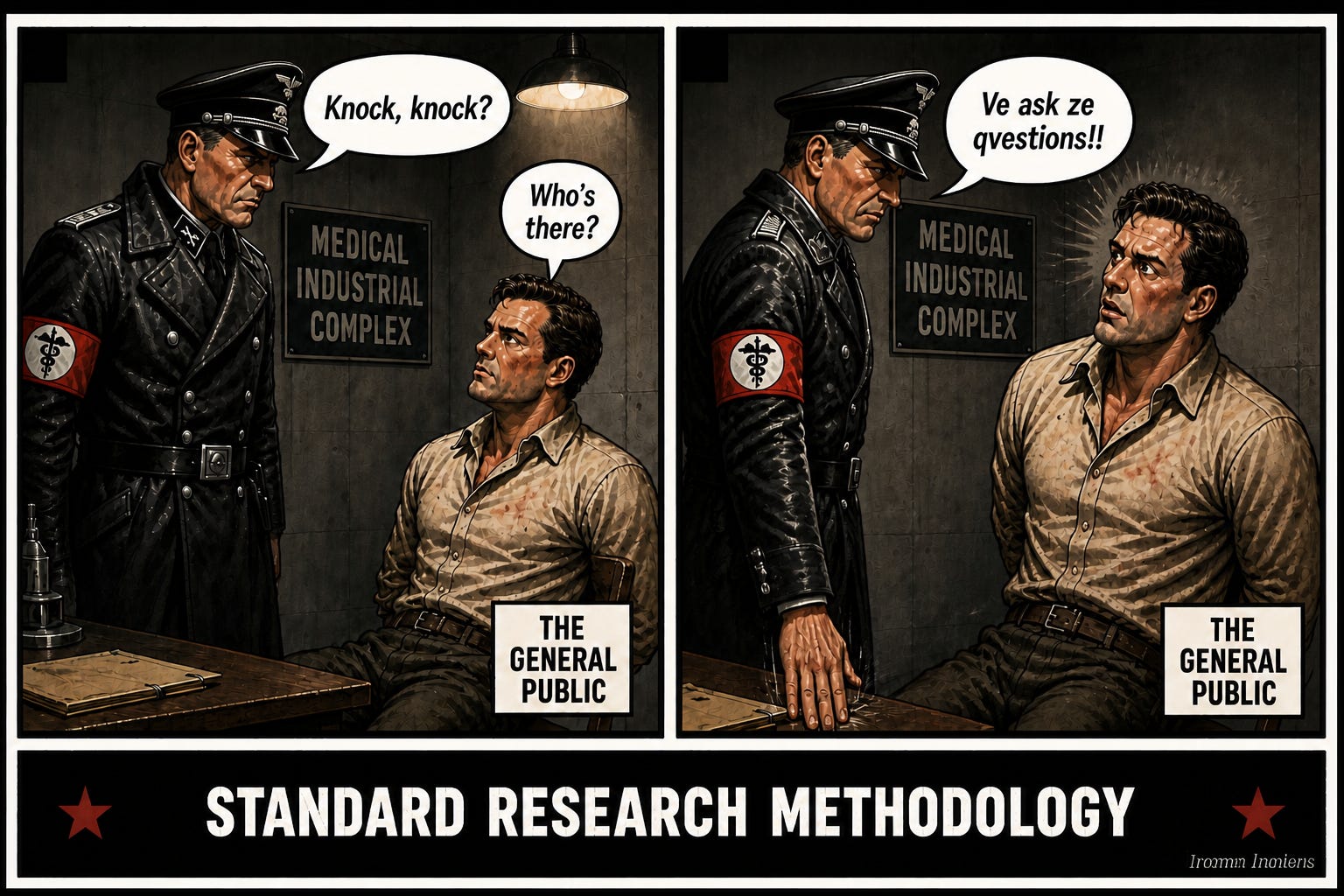
Pew’s surveys suggest that public trust in scientific institutions is not what it was five years ago. In 2023, 73% of Americans said they had a great deal or fair amount of confidence in scientists to act in the public’s best interests, down from 87% in April 2020, while the share with low confidence rose from 12% to 27%. Even with a slight rebound in later surveys, the public mood has clearly shifted from automatic trust to more conditional trust.
That does not prove every study is compromised. It does help explain why more people now hear “research says” and immediately wonder who framed the question, who funded the process, and who benefits from the answer. Once trust in institutions erodes, skepticism does not stop at government or media. It reaches the research pipeline too.
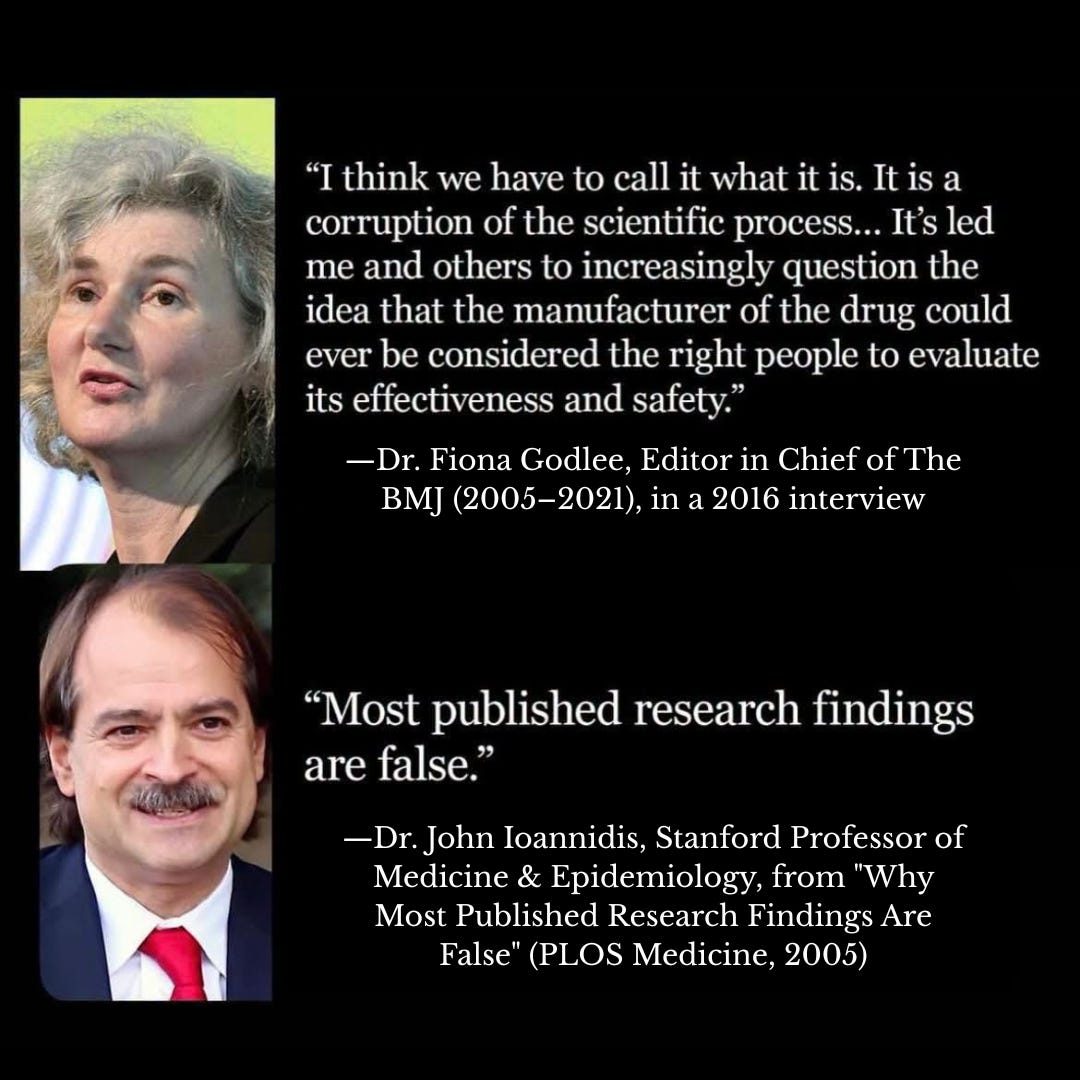
We have been left with two bad options: trust research that was never about our individual body, or trust marketing from people trying to sell us something. Pew’s data shows why that no longer feels stable. Public confidence in scientists dropped sharply after 2020 and has only partly recovered, which helps explain why more people now hear “the research says” and immediately wonder how much of the story they are really getting.
Even good research is still aggregate research. It tells us what happened across a population, not what happens when this person eats this food, takes this supplement, or uses this device. And when publication bias and selective reporting are part of the landscape, the gap between the headline and the full picture can get even wider. The only real way to cut out the middleman is to start gathering objective data on your own body, keep it in one place, and use it to ask better questions than the system was ever designed to ask for you.
Most people are expected to make health decisions without ever seeing their own pattern clearly. They get averages, marketing, lab snippets, and a hundred opinions, but very little organized feedback on how their own body is reacting over time. That is a bad setup for good decisions.
Crunchy Nation’s answer is to start with the body, not the pitch. Bioresonance, used as a data-gathering tool, gives people a way to collect objective signals, keep them in one place, and walk into their next health conversation with better questions and a clearer baseline. Not because one scan tells the whole story, but because it gives people something they almost never get from the system: a starting point that is actually their own.
We do not need to wait for the system to become neutral before we start becoming better informed. We do not need perfect institutions before we begin collecting better signals. If the questions have been shaped for us, then the most practical response is to start with something harder to spin: our own body, our own baseline, and our own patterns over time.
That is the third option Crunchy Nation is built around. Not blind trust. Not marketing hype. Objective data you can bring with you, build on, and use to ask smarter questions than the system was ever designed to ask on your behalf. That is not the whole answer to health. But it is a much better place to start.
If you believe health decisions need a better starting point, support Crunchy Nation with a paid subscription or by sharing this work. We cannot build a better health intelligence layer alone.
We are not taking institutional money for general research and testing. That independence matters, but it also means the work has to be self-funded. Every paid subscription and every share helps keep the research moving