


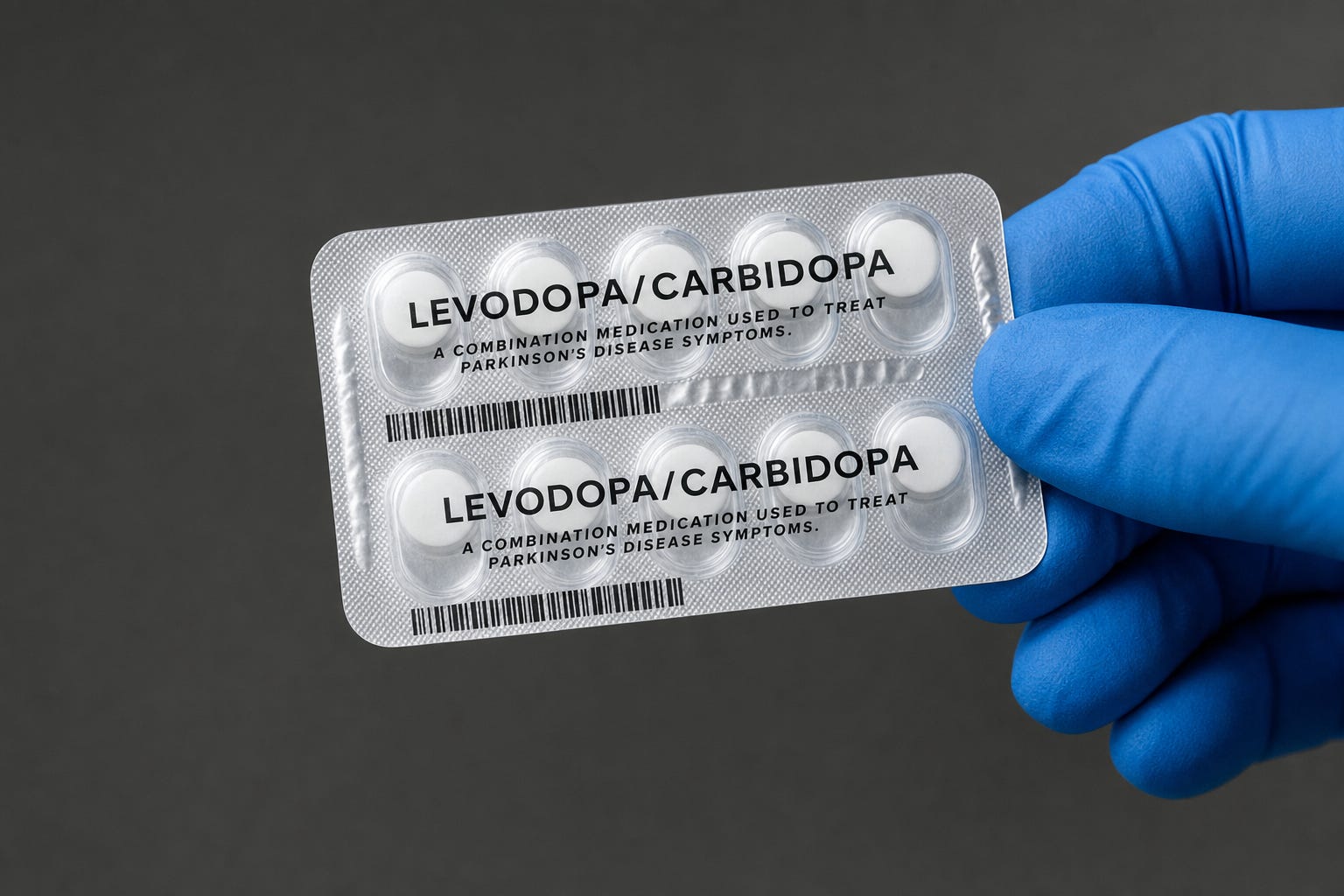
Levodopa became the standard drug treatment for Parkinson’s disease in the 1960s. Nearly sixty years later, it is still the backbone of care for many patients.
That fact alone should make people pause.
Not because levodopa has no value. It clearly does. But because when one core treatment remains dominant for that long, it raises a bigger question: is medicine moving as fast as it could, especially when the stakes are this high?
In Japan, regulators recently approved the first stem-cell-based therapy for Parkinson’s disease built from induced pluripotent stem cells, often called iPS cells. These cells are reprogrammed from adult cells and then turned into dopamine-producing neurons, the very type of cells Parkinson’s patients lose over time.
That is a fundamentally different kind of approach.
Not another way to manage symptoms day to day, but an attempt to replace the damaged biology itself.
It is still early, and this is not the same as a broadly available cure. But it marks a threshold. A real-world regulatory approval for a therapy that would have sounded futuristic not long ago.
When a field can go from “this is science fiction” to “this is approved” while many patients are still anchored to a 1960s drug model, it tells you something important: some of the most meaningful changes in medicine happen long before the public fully catches up to them.
SOURCE LINK SECTION:
📖 READ THE FULL STORY: Japan Approves First Stem-Cell Therapy for Parkinson’s Disease (American Parkinson Disease Association, March 2026)
If this made you rethink what is possible in Parkinson’s care, read the full piece. It is a glimpse into where treatment may be headed next — and how unevenly that future arrives.
And if you want help finding serious health research before it gets flattened into headlines or pharma talking points, subscribe to Crunchy Nation.